NINEJP will conduct multiple events on October 6th, the second day of the Global Startup Expo.
Please visit this special opportunity where Japanese University research seeds from each region comes together to pitch and exhibit.
Innovative research ideas and bold visions for the future took a significant step forward, with three individuals receiving awards in recognition of their achievements.

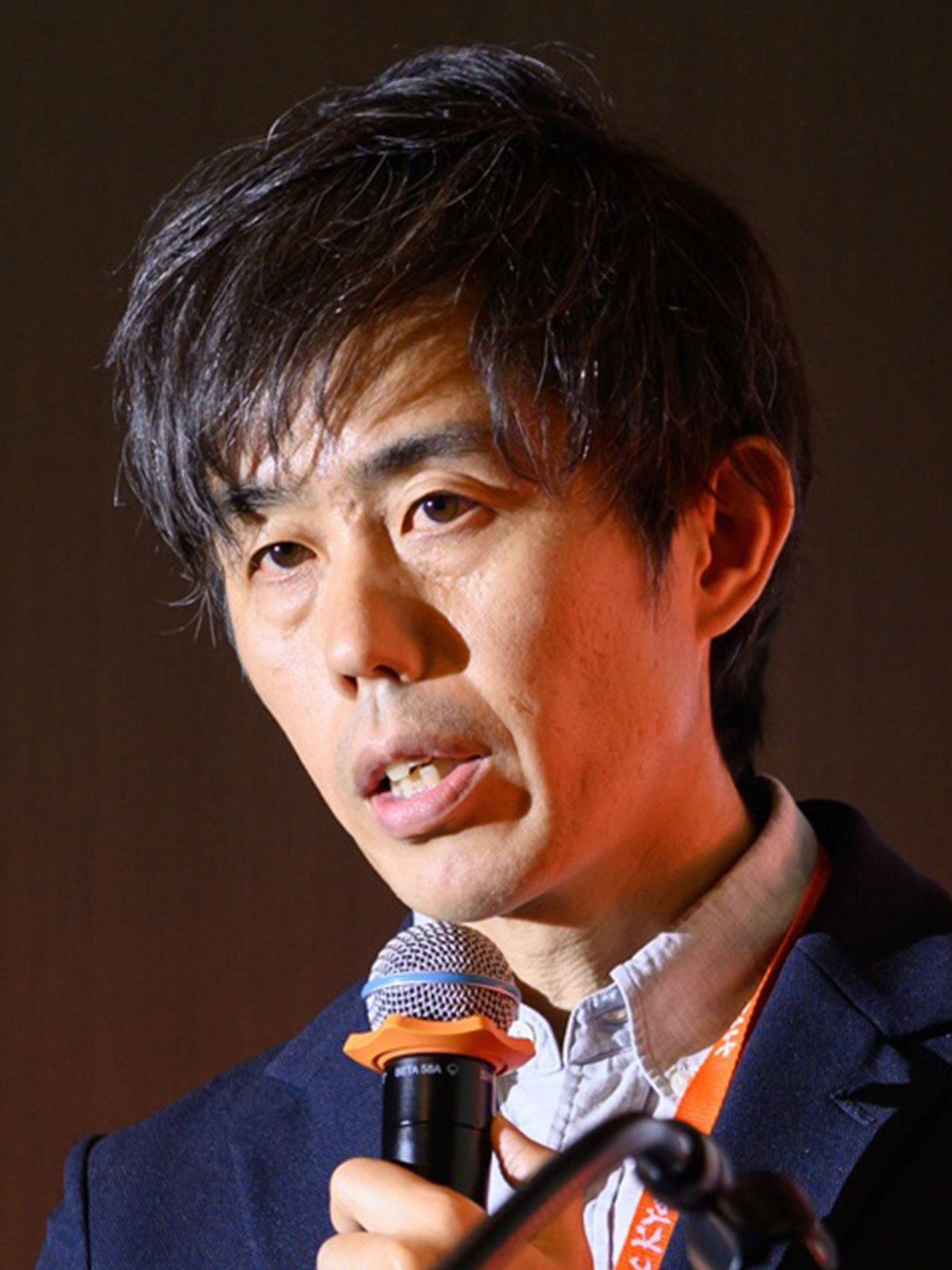

The World's First Carbon Monoxide Antidote
Detail
He received his PhD in 2006. He has long been working on the development of synthetic hemoglobin compound hemoCD that could be potentially used for carbon monoxide antidote.
A synthetic hemoglobin, hemoCD, is potentially used for an injectable antidote for carbon monoxide poisoning because of its high CO binding ability and rapid excretion in urine. With a CO poisoning antidote as our top-priority pipeline, we are currently advancing research and business development.

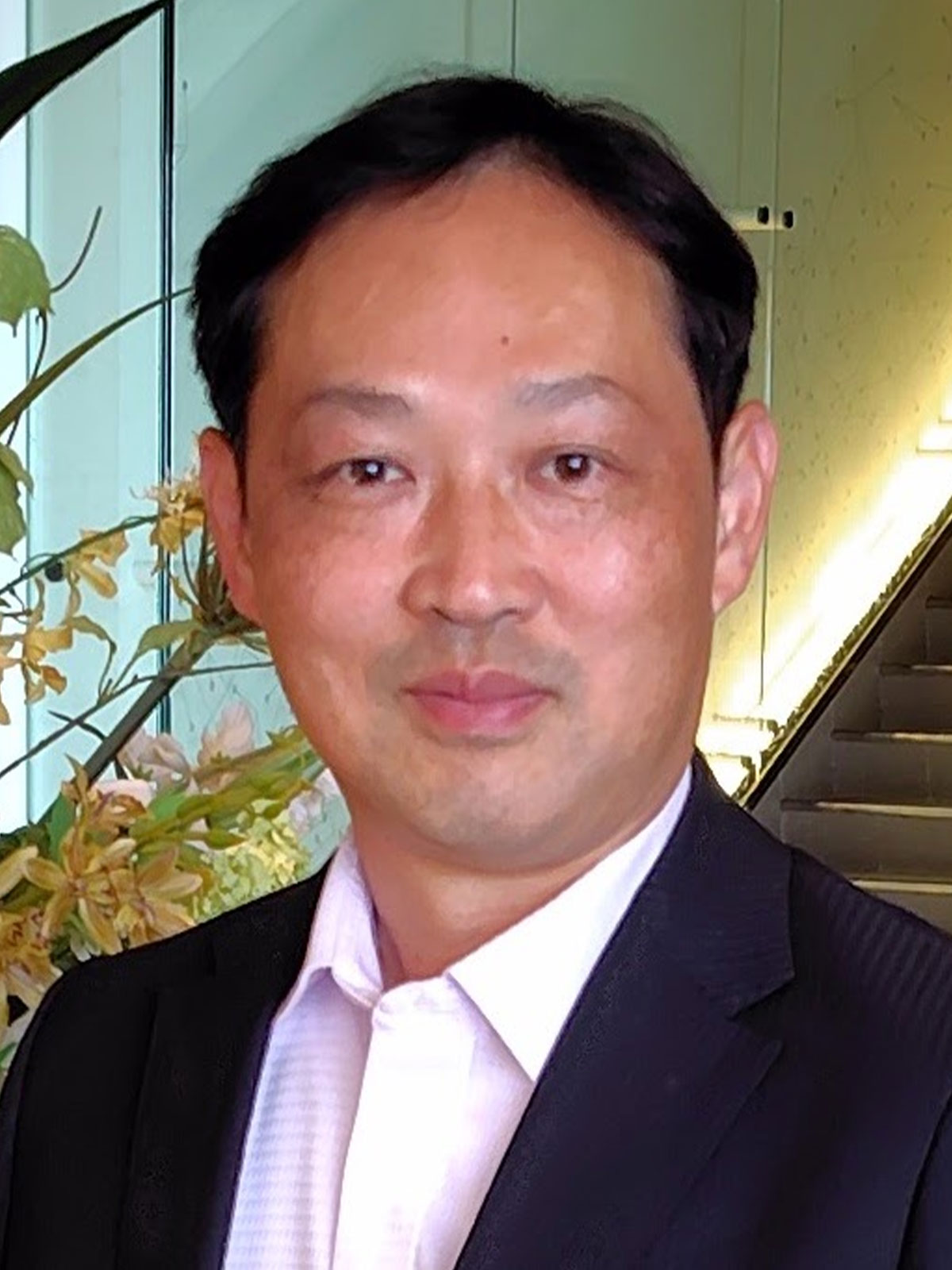

A business focused on proucing and sellinginnovative
osmosis membranes engineered with
nano-material formulations
Detail
Building on Shinshu University’s ultra‑low‑pressure, high‑permeability RO membranes, we develop next‑generation water treatment solutions that address water pollution and drinking‑water scarcity. With technology and mass‑production capability suited for both emerging and advanced markets, we also advance commercialization of FO and other next‑generation membrane technologies.
・Production and commercialization of Shinshu University–origin SULP RO membranes featuring ultra‑low‑pressure operation and high water permeability
・Development and supply of RO membrane modules for industrial water treatment, seawater desalination, and diverse purification needs
・Co‑development and rollout of next‑generation, electricity‑free water purification devices tailored for emerging markets
・Advanced water treatment solutions leveraging high‑removal‑efficiency membranes to address PFAS, nitrate‑nitrogen, and other contaminants
・R&D and future commercialization of forward osmosis (FO) membrane technologies, planned for 2030

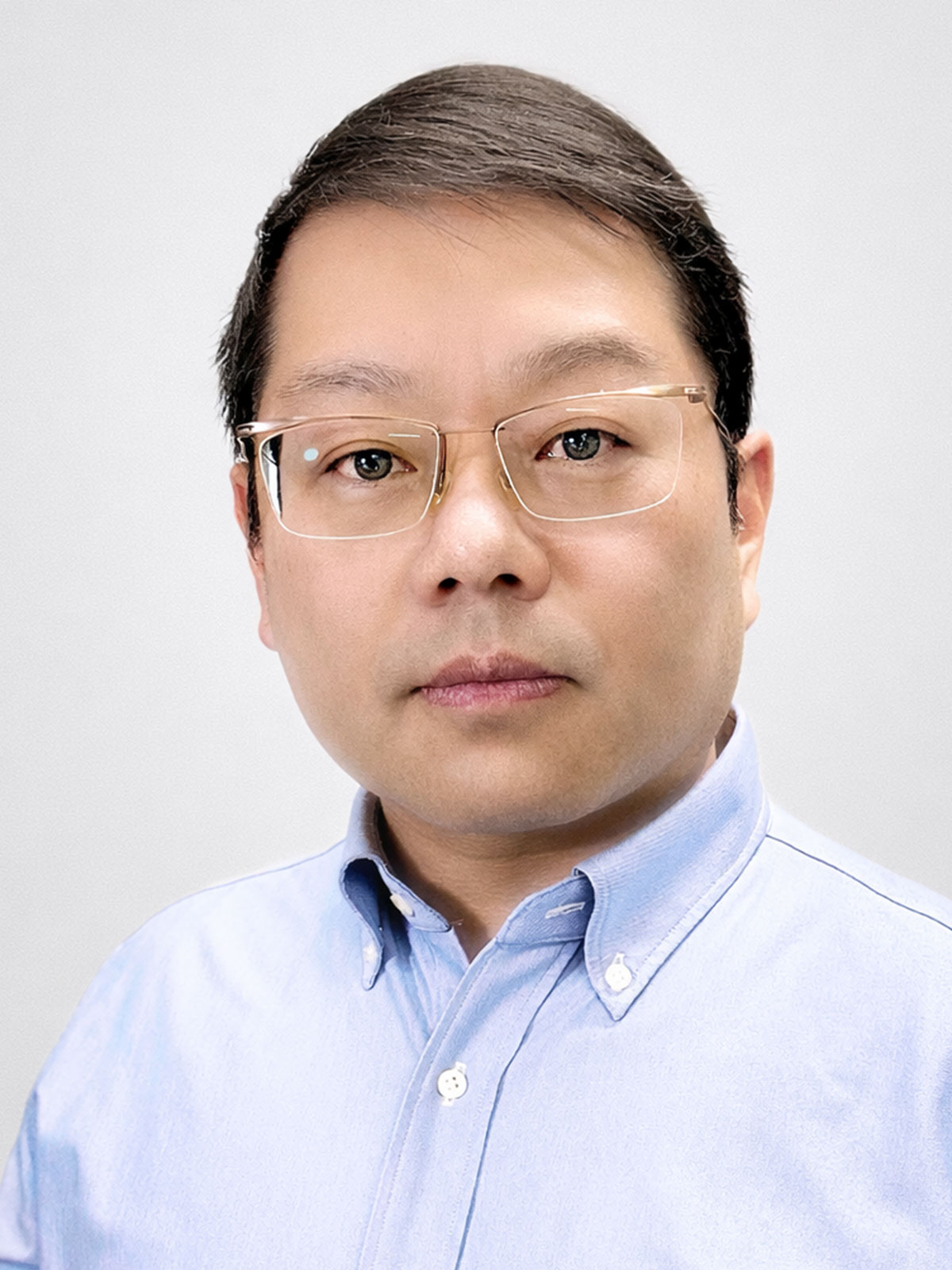

DNA Data Storage for the AI Era
Detail
Specializing in nanometrology, nanotribology, and micro/nanodevices, he investigates physical phenomena in confined spaces and applies his findings to device engineering. He is currently developing micro- and nanofluidic devices for DNA analysis and data storage, with the goal of realizing ultra-high-density, long-term data preservation.
The rapid growth of generative AI is driving an unprecedented increase in digital data and data-center energy consumption. This research aims to develop a DNA-based storage device that harnesses DNA’s exceptional density and long-term stability to preserve vast amounts of cold data in a compact, energy-efficient format while enabling reliable data retrieval.
Pitch contests by researchers selected by each participating
platforms of NINE JP
Date: October 6th, 2025 AM
Venue: Grand Front Osaka North 4F Knowledge Theater
Language: English
Host : Osaka Prefecture, Osaka Business Development Agency
Co-Cost: GSE2026 Execution Committee, NINE JP
Pitch and exhibitions by NINEJP participating Platforms, sessions related to University researchers seeds, and networking etc.,
Date: October 6th, 2025 (full day)
Venue: Grand Front Osaka North B1F Event Lab.
Host:
Osaka Prefecture, Osaka Business Development Agency, TSUCREA Co., Ltd
Co-Cost:
GSE2026 Execution Committee, NINEJP
Presenters, Exhibitors
9 researchers selected from Japanese Universities and Research Institutes all around Japan.
DeepTech Frontier Challenge For Researchers will present some of the cutting-edge research and tech seeds,
and NINE JP - Knowledge Bloom - is a exhibition for such research and technology seeds.

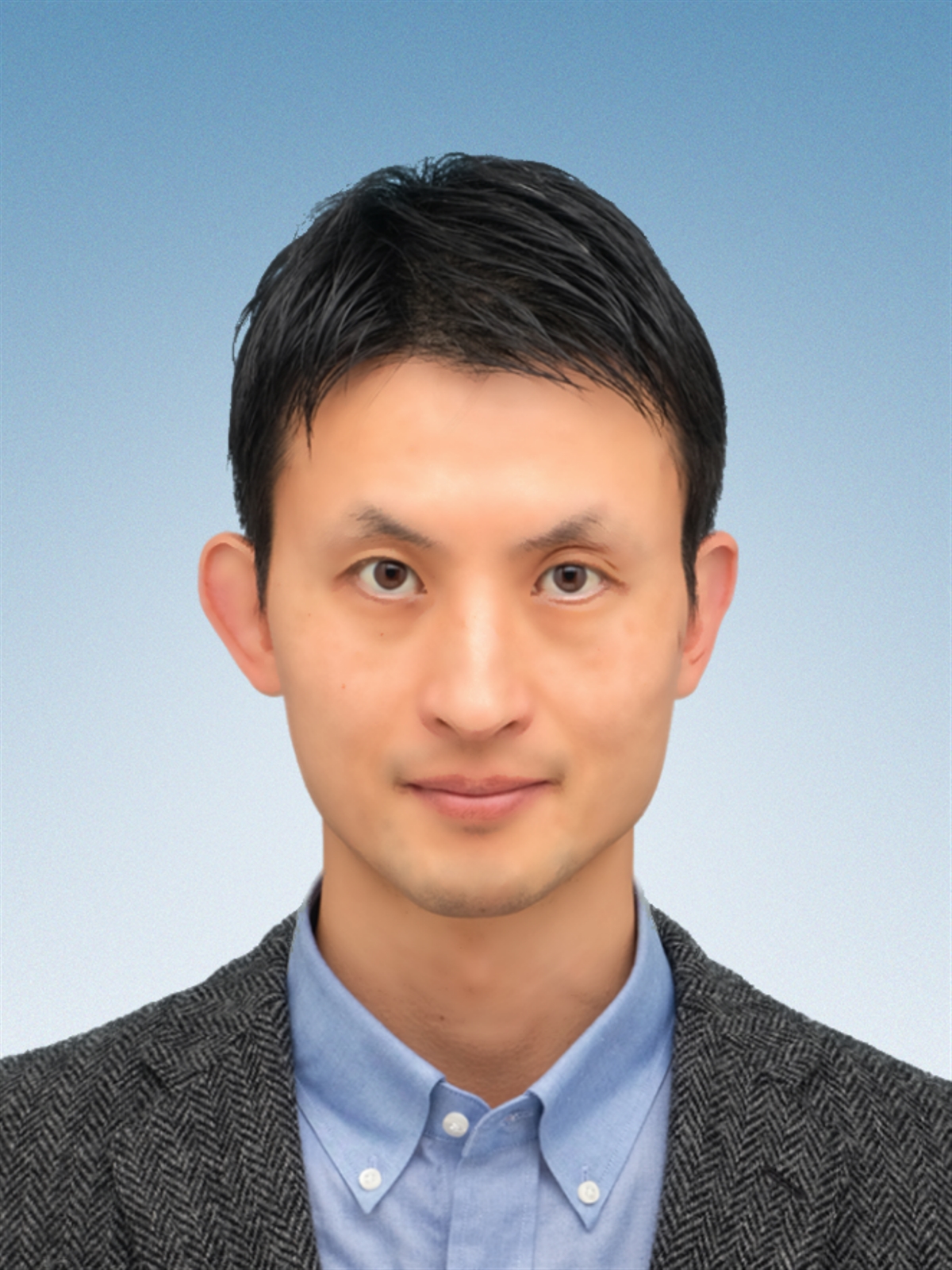

A Carbon Cataylsy Platfor for Durable,
Platinum-Free Fuel Cells
Detail
Associate Professor at the Institute for Catalysis, Hokkaido University. His research focuses on surface science and catalyst design, particularly platinum-free carbon catalysts for oxygen reduction. He is advancing these technologies from fundamental mechanistic studies to fuel-cell demonstration and commercialization.
We develop durable, low-cost fuel cells using proprietary platinum-free nitrogen-doped carbon catalysts. Biomass-derived carbon from Jikan Tech is also utilized as a feedstock. Our first target is DMFC backup power, followed by expansion of the catalyst platform to hydrogen fuel cells and other applications.
A business focused on proucing and sellinginnovative
osmosis membranes engineered with
nano-material formulations
Detail
Building on Shinshu University’s ultra‑low‑pressure, high‑permeability RO membranes, we develop next‑generation water treatment solutions that address water pollution and drinking‑water scarcity. With technology and mass‑production capability suited for both emerging and advanced markets, we also advance commercialization of FO and other next‑generation membrane technologies.
・Production and commercialization of Shinshu University–origin SULP RO membranes featuring ultra‑low‑pressure operation and high water permeability
・Development and supply of RO membrane modules for industrial water treatment, seawater desalination, and diverse purification needs
・Co‑development and rollout of next‑generation, electricity‑free water purification devices tailored for emerging markets
・Advanced water treatment solutions leveraging high‑removal‑efficiency membranes to address PFAS, nitrate‑nitrogen, and other contaminants
・R&D and future commercialization of forward osmosis (FO) membrane technologies, planned for 2030

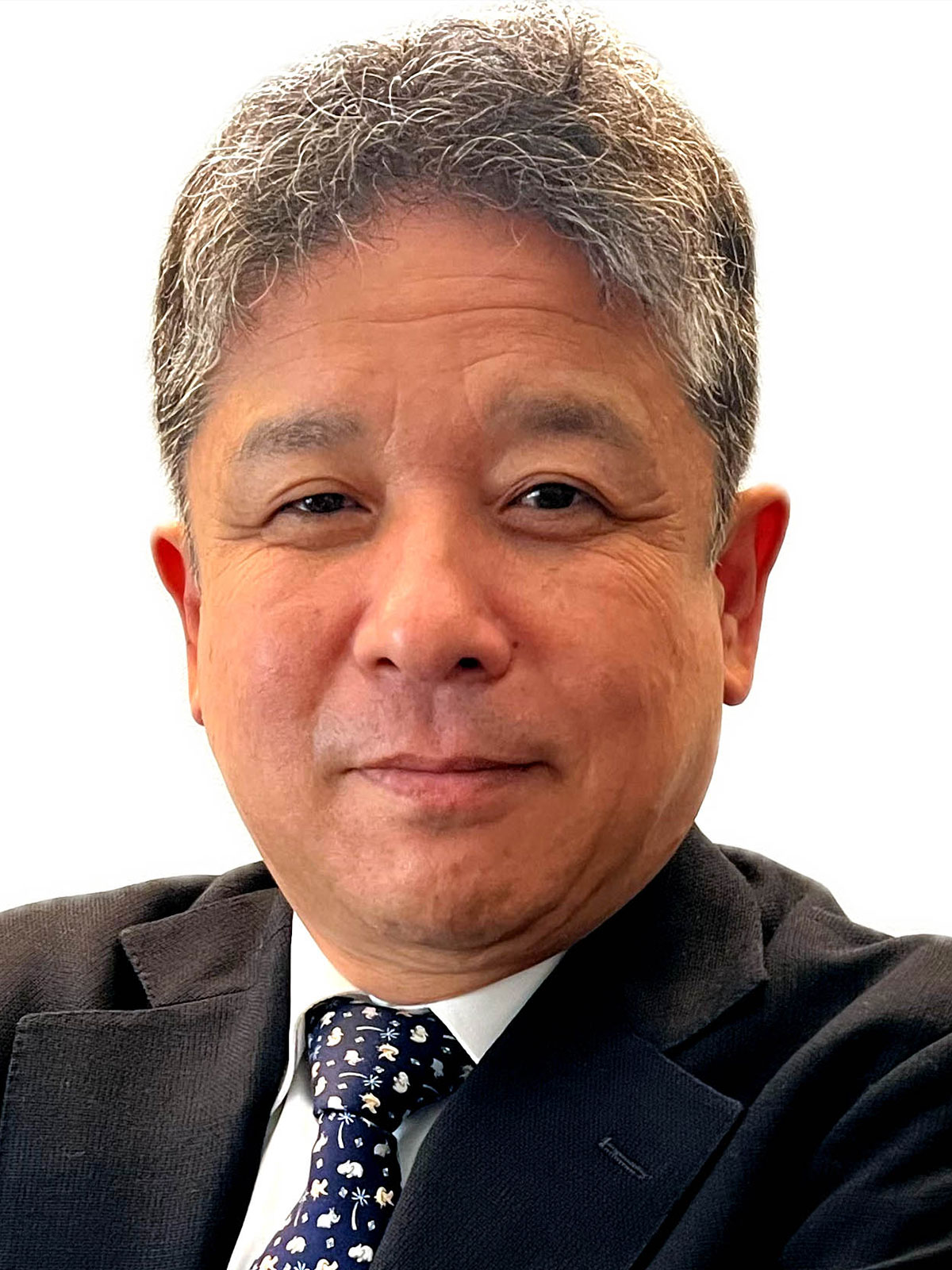

An Ultra-Low-Cost "All-Season Functional Additive"
to SaveAquaculture from Climate Change
Detail
Ph.D. in Engineering (Hiroshima University). After serving as Lecturer and Associate Professor at National Institute of Technology, Niihama College, and as a research fellow at the U.S. Department of Agriculture (USDA), he joined Nagaoka University of Technology in 2015 and has held his current position since 2019. Specializing in plant biotechnology and applied microbiology, his research covers biostimulants and seedling production technology. He is currently developing and commercializing functional additives for aquaculture derived from unused biomass.
Aquaculture is increasingly damaged by poor growth and mortality caused by both high and low water temperatures. We are developing a feed additive that combines a proprietary from unused biomass with a high-performance Bacillus formulation. It boosts feeding and survival at low cost, shortening the time to shipment from 2.5 years to 1.5 years, while also improving flesh quality and suppressing pathogens. We aim to expand into aquaculture markets in Japan and overseas.


A New Visual System for
Manufacturing- Computational imaging through the
co-design of event cameras and light
Detail
Ph.D. in Engineering, Nara Institute of Science and Technology. Assistant Professor, Institute of Systems and Information Engineering, University of Tsukuba, where he leads the Computational Imaging & Graphics Lab. His research focuses on computational imaging using a range of imaging devices, with an emphasis on automating the visual inspection of objects that have long been difficult to inspect, such as glossy and transparent surfaces. He aims to bring this technology to manufacturing, beginning with the automotive industry.
We are building a "visual system for manufacturing": a computational imaging technology that combines an event camera with a modulated light source to enable visual inspection of glossy and transparent objects. Building on demonstrated feasibility and validated market demand, we are moving toward deployment on the factory floor through a benchtop inspection unit. Our goal is to address the shortage of skilled inspectors and build a venture that delivers fully automated visual inspection.
DNA Data Storage for the AI Era
Detail
Specializing in nanometrology, nanotribology, and micro/nanodevices, he investigates physical phenomena in confined spaces and applies his findings to device engineering. He is currently developing micro- and nanofluidic devices for DNA analysis and data storage, with the goal of realizing ultra-high-density, long-term data preservation.
The rapid growth of generative AI is driving an unprecedented increase in digital data and data-center energy consumption. This research aims to develop a DNA-based storage device that harnesses DNA’s exceptional density and long-term stability to preserve vast amounts of cold data in a compact, energy-efficient format while enabling reliable data retrieval.
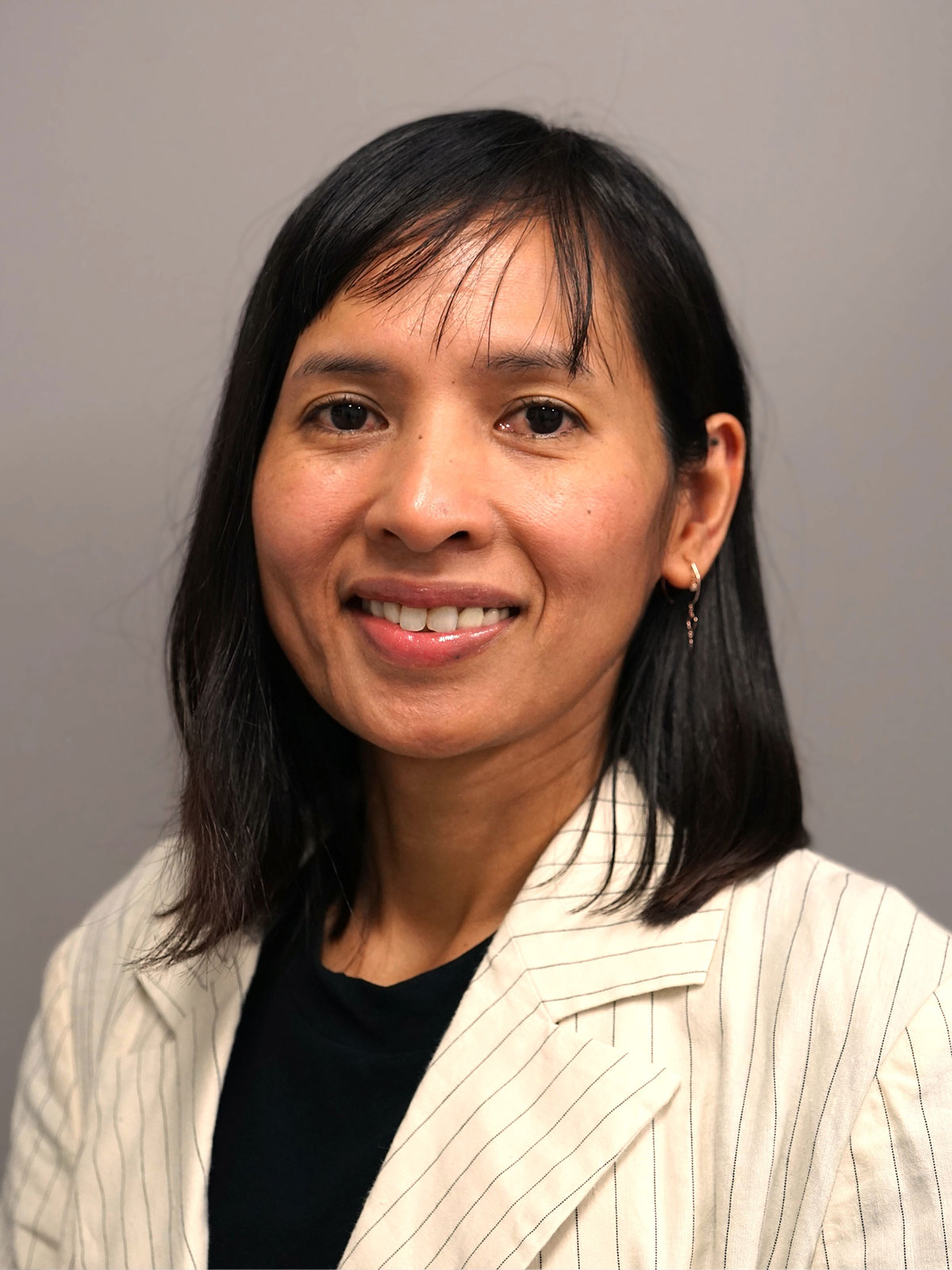

uLtra-PGA: An Ultra-High-Molecular-Weight
L-PGA Platform for Next-Generation
Cosmetic Ingredients
Detail
Project Assistant Professor at Kobe University specializing in bacterial genomics, applied microbiology, and bioproduction. She leads the R&D, scale-up, and commercialization of uLtra-PGA produced using Bacillus subtilis.
We developed an engineerable GRAS Bacillus subtilis platform for producing L-PGA above 20 MDa using a lower-cost medium and high productivity. The first product is a biodegradable B2B cosmetic ingredient targeting hydration, film performance and low tack, followed by medical materials, absorbents and bioplastics.
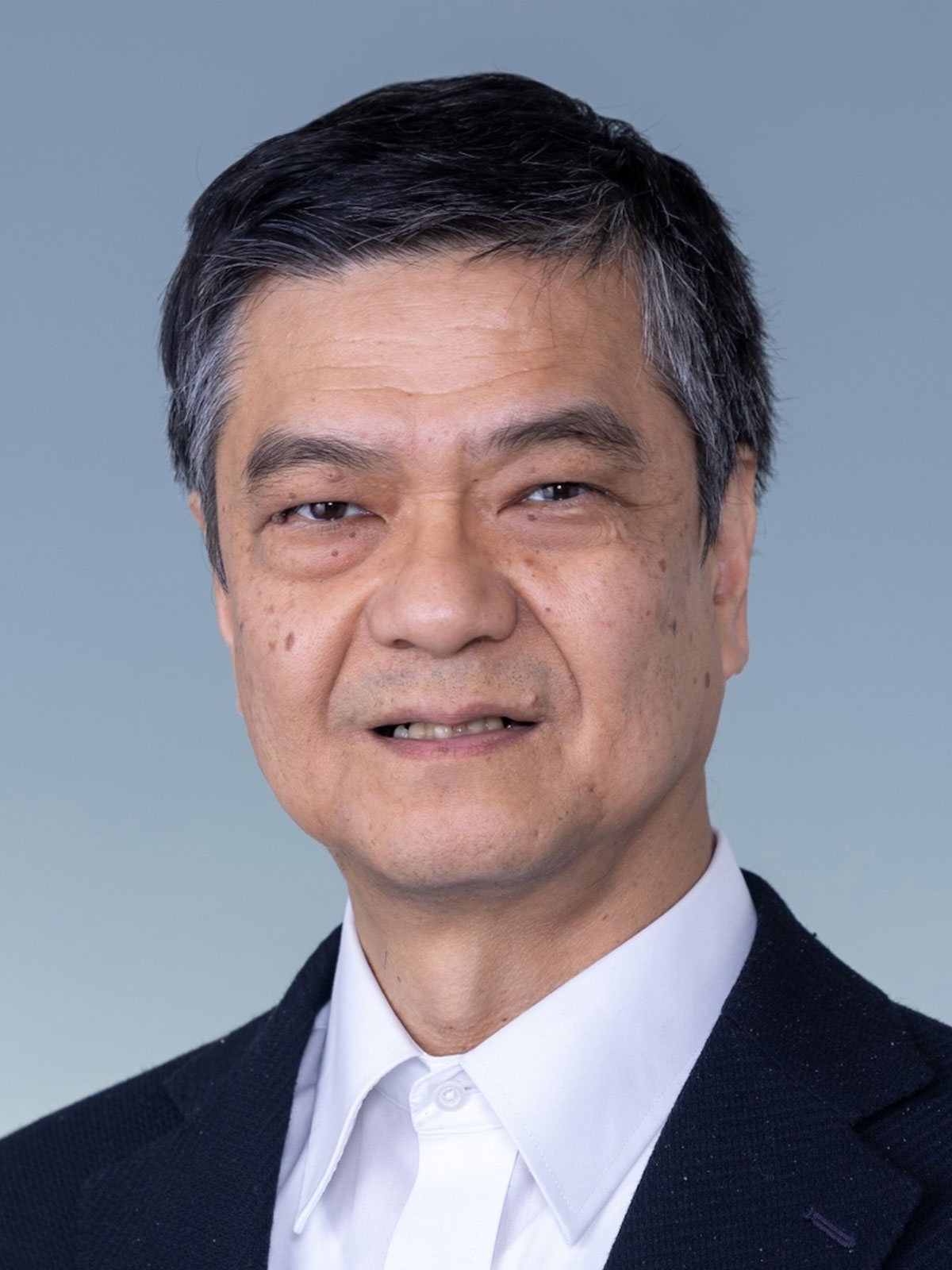

Programmable Industria Plant Platform for
Sustainable Plant-Based Biomanufacturing
Detail
Professor Emeritus and Specially Appointed Professor at The University of Osaka. His research focuses on plant metabolic engineering, genome editing, and synthetic biology, with an emphasis on the biosynthesis of valuable plant-derived compounds. Using licorice and potato as model systems, he is developing “Industrial Plants” by integrating genome editing and tissue culture technologies for sustainable biomanufacturing and real-world applications.
Genome editing and plant tissue culture are integrated to develop a “Programmable Industrial Plant Platform” that transforms plants into high-performance production platforms. The technology has been demonstrated for the production of valuable natural products in licorice and potato and is being expanded to diverse industrial plants. The goal is to enable sustainable biomanufacturing and commercialization of ingredients for cosmetics, food, pharmaceuticals, and other applications.
The World's First Carbon Monoxide Antidote
Detail
He received his PhD in 2006. He has long been working on the development of synthetic hemoglobin compound hemoCD that could be potentially used for carbon monoxide antidote.
A synthetic hemoglobin, hemoCD, is potentially used for an injectable antidote for carbon monoxide poisoning because of its high CO binding ability and rapid excretion in urine. With a CO poisoning antidote as our top-priority pipeline, we are currently advancing research and business development.


Turning Wastewater into Resources - with CO2 and Sunlight Heat-tolerant photosynthetic microbes
power metal-removing wastewar treatment
Detail
Driven by an interest in decarbonization and sustainable energy production, I have long studied the mechanisms of photosynthetic energy conversion. In the course of this research, I discovered the remarkable ability of certain microorganisms to remove environmental pollutants, and built on this to develop a wastewater treatment technology. I am currently conducting validation studies with real industrial wastewater while working toward commercialization and real-world deployment. My goal is to contribute to a circular economy and a carbon-neutral society.
Industrial wastewater containing heavy metals must be treated before discharge under environmental regulations, yet conventional methods require large amounts of chemicals and energy, generating CO2 emissions and secondary pollution. We are commercializing a wastewater treatment technology that uses heat-tolerant photosynthetic microbes with high heavy-metal uptake capacity to remove and recover metals while absorbing CO2. Our goal is to build a circular economy through resource recovery from wastewater.
*Speakers and presentation titles are subject to change.
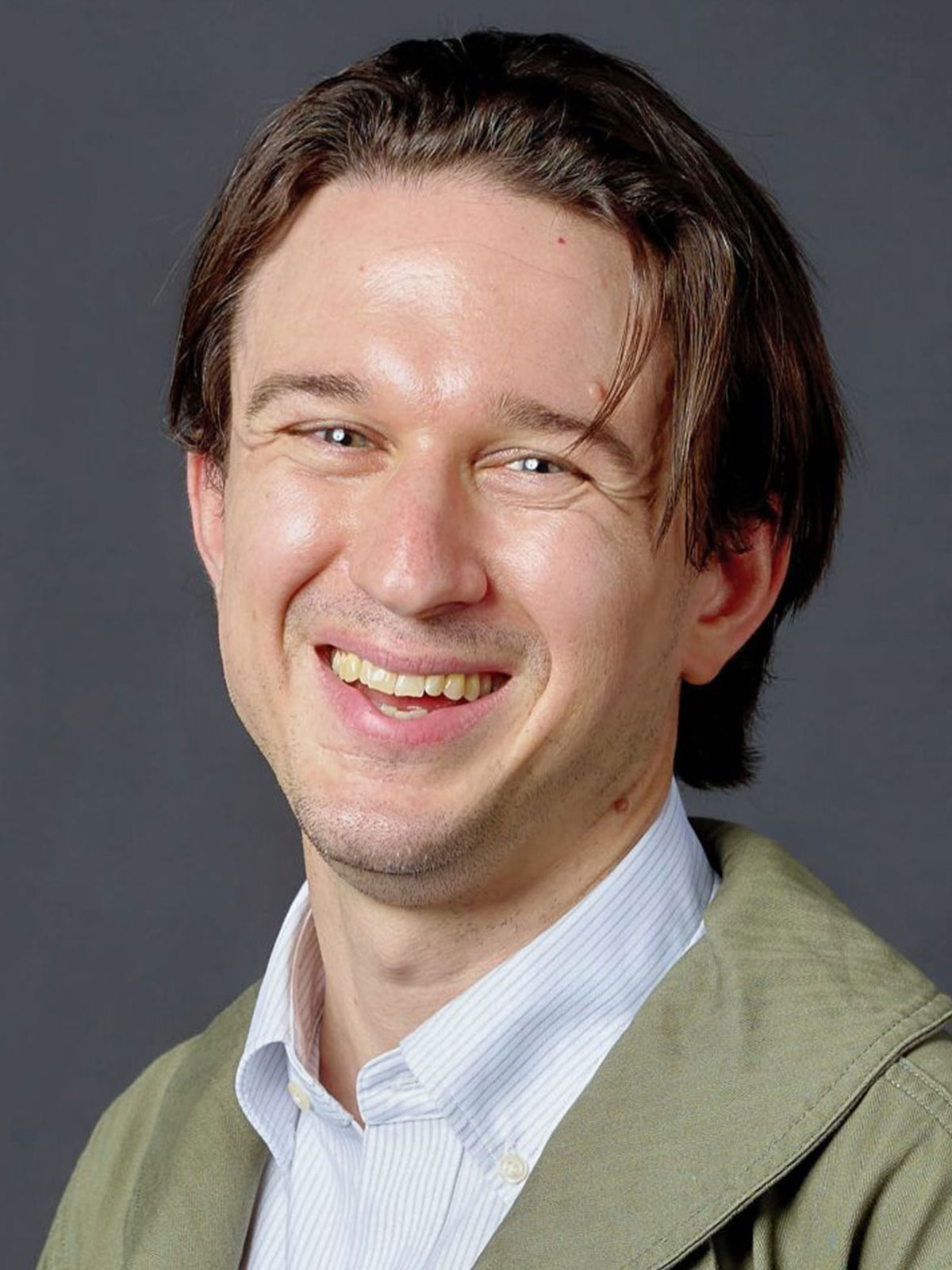
Tobias Mathiasen is a Swedish venture partner based in Kansai, Japan. His work combines venture development, investment, and cross-border strategy, helping founders, investors, and institutions build companies and partnerships across borders.
His interest in entrepreneurship began in high school, when he explored using the first smartphones to create a digital marketplace for emerging markets. Studies and work across Hong Kong, Beijing, and Taiwan subsequently shaped his approach: combining financial expertise with the practical perspective of an entrepreneur.
In Dublin, he helped founders and investors position companies for long-term value creation. In Hong Kong, he advised international entrepreneurs seeking capital from Asian investors. He then spent five years as COO of Katalysen Ventures, working directly with Nordic early-stage companies through investment and active ownership. He played a central role in leading Katalysen’s IPO on Spotlight Stock Market and continues to support the company as Venture Partner.
Since 2023, Tobias has focused on Kansai’s venture and innovation community, strengthening connections with Europe. He serves as Global Advisor with Osaka Innovation Hub and is a founding member of Kansai Europe Night, which brings together globally minded entrepreneurs, researchers, and other creators from more than 40 countries to build meaningful relationships in the heart of Kansai.
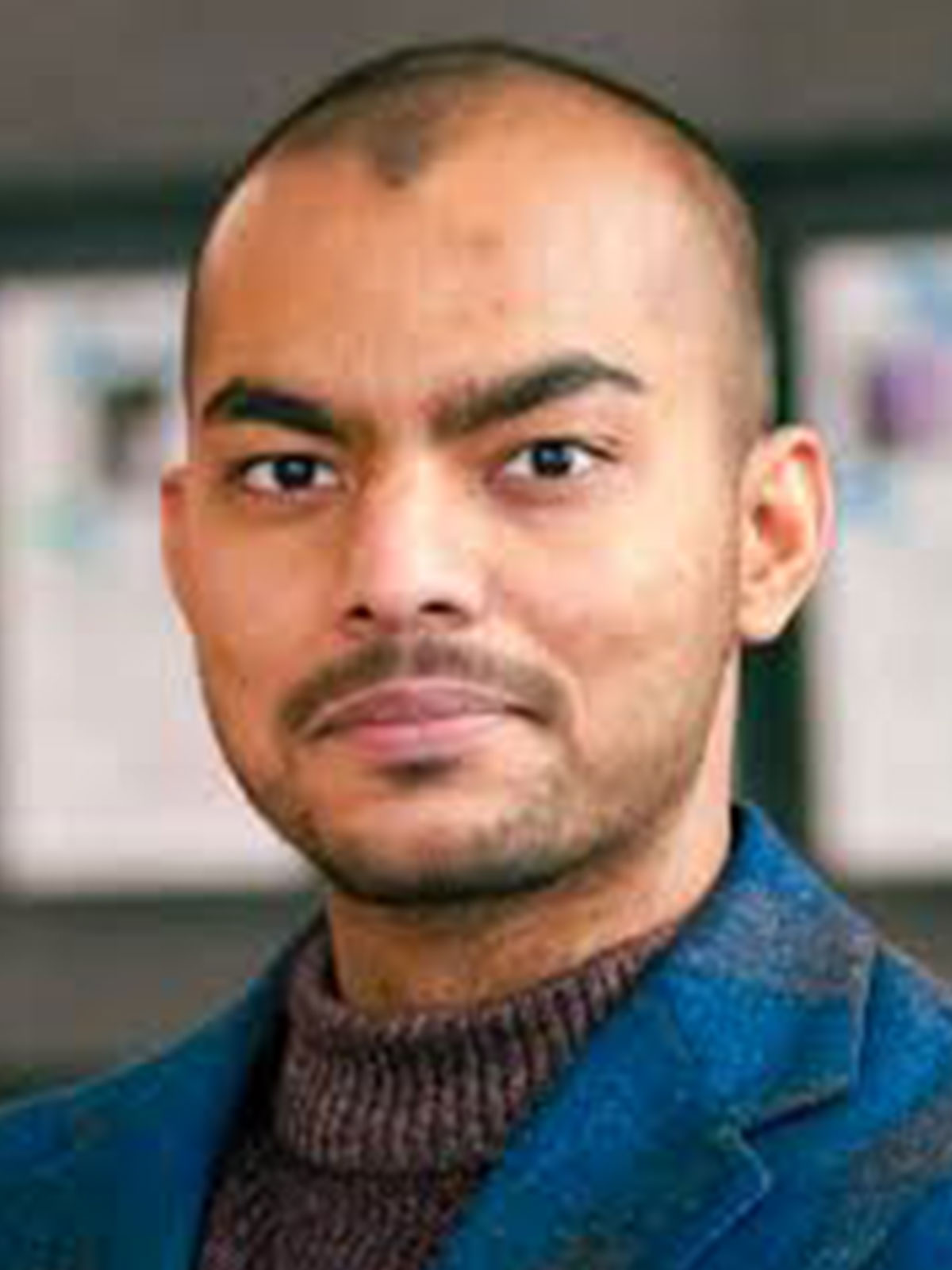
Deb Kumar Mondal is the Founder and CEO of uncomfortable, a Kansai-based initiative helping deep-tech entrepreneurs turn scientific research into commercial reality in Japan.
He works with Japanese Central and Regional government and government agencies, international investors on regional deep-tech ecosystem development, specializing in energy, materials, semiconductors, and quantum computing.
Previously, Deb served as Chief Product Officer at Tech Japan, where he helped build the India-Japan innovation corridor, consulting with J-Startup companies, Japanese and Indian government bodies, and several top IITs and IIMs.
Before that, he was a management consultant at Accenture Japan advising senior executives at large-cap Japanese oil and chemical companies, and an R&D engineer at Daikin Industries Japan.
Deb is a graduate of the Indian Institute of Technology Bombay (IIT Bombay). His work has been featured in Nikkei Shinbun, NewsPicks, and Abema News Japan.
Deb is passionate about helping technical founders navigate the uncomfortable path from bold science to enduring companies.
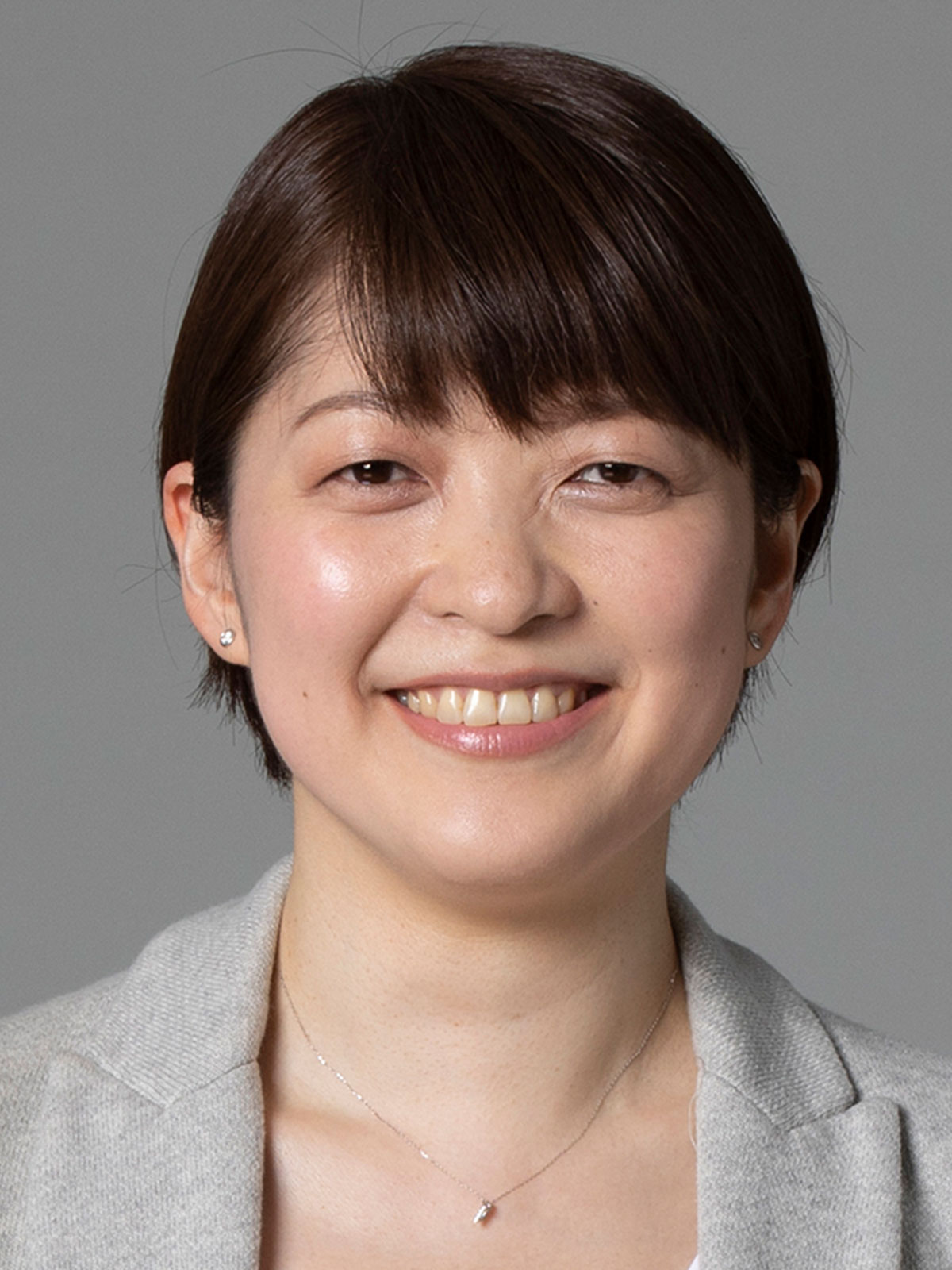
Tomoko joined JAFCO in 2005 and has spent 20 years investing in startups.
Focusing on seed and early-stage companies, she has served as lead investor in sectors that use technology to tackle hard problems, including space, energy and decarbonization, healthcare, and robotics.
She has been involved in ten IPOs, including Astroscale Holdings.
In December 2025, she founded Hitotsubashi Innovation Capital.
She holds a B.A. in Economics from Hitotsubashi University.
Target:
Fee:
Venue:
Grand Front Osaka North
Pitch contest:
4F Knowledge Theater
Exhibition:
B1F Event Lab